
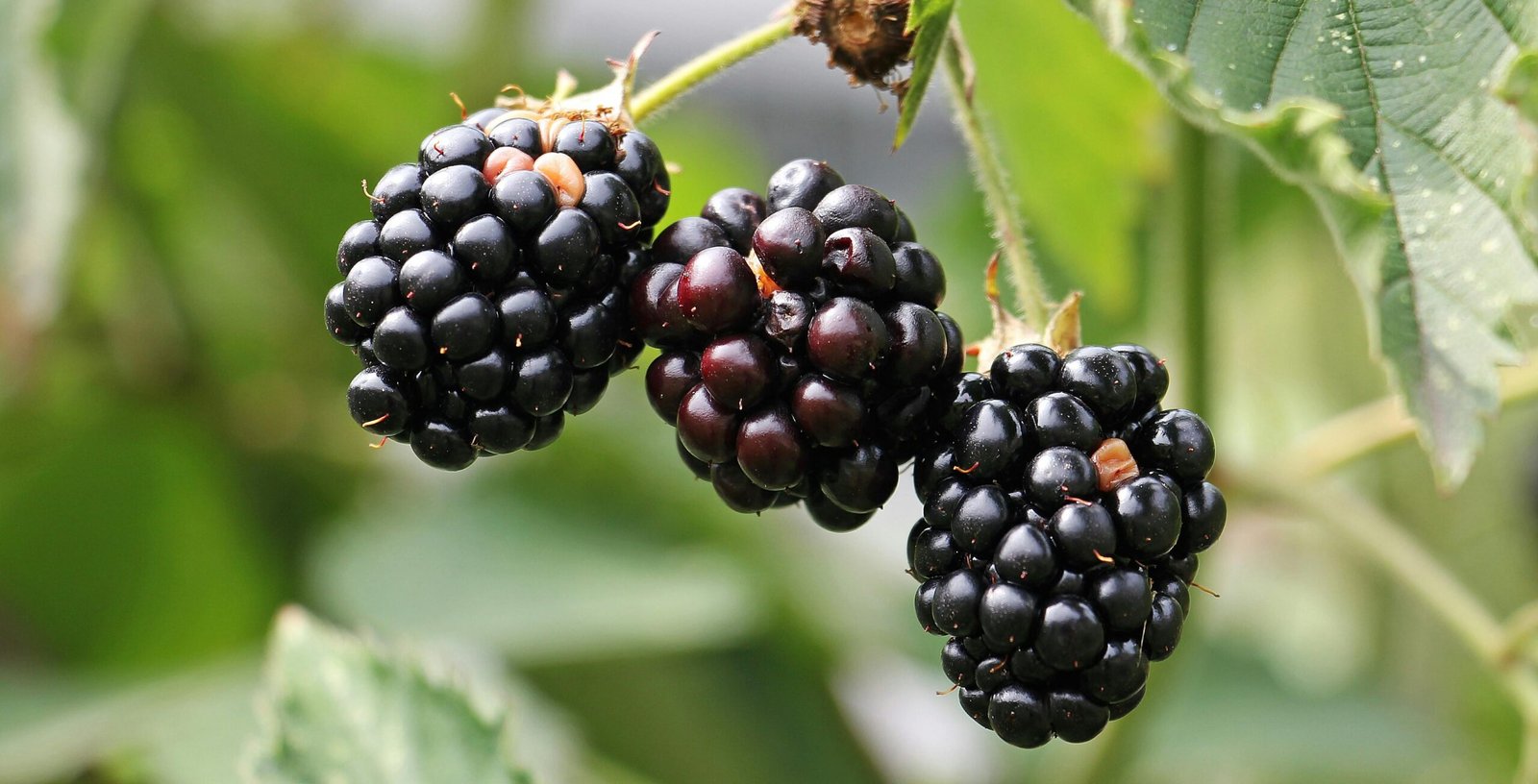
The fruit known as žižole has been enjoyed for centuries across different cultures for its sweet flavor, impressive versatility, and remarkable health benefits. Although žižole is not as globally famous as apples or berries, it has a long history rooted in traditional medicine, culinary practices, and sustainable agriculture. In this comprehensive guide, we explore what makes žižole unique, how it is grown, the health advantages it offers, and why its popularity continues to rise.
What Is Žižole? Understanding the Ancient Fruit
Žižole, commonly referred to as jujube or red date, is a small oval-shaped fruit with a smooth outer skin that transitions from green to a deep reddish-brown as it matures. Inside is a soft, sweet pulp with a taste often compared to a combination of an apple and a date. This fruit has been cultivated for thousands of years and is highly valued for its adaptability and nutritional richness.
Historically, žižole was grown in regions such as China, the Middle East, and the Mediterranean. Over time, it has spread to modern farms and home gardens worldwide due to its ability to thrive in various climates. Today, žižole is not only eaten fresh but also dried, brewed into teas, used in desserts, or incorporated into herbal remedies.
History and Cultural Significance of Žižole
The story of žižole stretches across many generations. Ancient civilizations were among the first to discover its medicinal properties. Traditional Chinese medicine has used žižole for centuries to support energy levels, digestion, and sleep quality. In Middle Eastern and Balkan cultures, žižole is frequently offered as a symbol of health, hospitality, and well-being.
Because žižole trees are hardy and long-lasting, they became a staple in regions with unpredictable weather. Their ability to produce fruit steadily even with minimal maintenance made them central to many rural diets. As global interest in natural, nutrient-rich foods grows, žižole has experienced a revival, especially among health-conscious consumers.
Nutritional Profile of Žižole
One of the biggest reasons žižole is gaining recognition worldwide is its nutrient composition. The fruit is packed with essential vitamins, antioxidants, and minerals, including:
-
Vitamin C – supports immunity and helps combat oxidative stress
-
Potassium – essential for heart and muscle function
-
Fiber – aids digestion and promotes gut health
-
Flavonoids and polyphenols – protect cells from damage
-
Natural sugars – offer a gentle, sustained energy boost
Because žižole is low in calories but rich in nutrients, it fits well into many diets, from weight-loss plans to balanced lifestyle eating.
Health Benefits of Žižole
1. Boosts Immune Function
The high vitamin C content in žižole makes it a powerful immune supporter. Regular consumption helps reduce fatigue and promotes the body’s natural defense system.
2. Supports Digestive Health
Žižole contains soluble and insoluble fiber that helps regulate digestion, prevent constipation, and maintain a healthy gut environment.
3. Enhances Sleep Quality
Many traditional remedies use žižole as a natural calming agent. Its compounds may have sedative effects that help promote deeper and more restful sleep.
4. Promotes Healthy Skin
Rich antioxidants found in žižole can slow down the aging process, improve skin texture, and reduce inflammation.
5. Helps Maintain Heart Health
With its blend of potassium, fiber, and antioxidants, žižole contributes to better cardiovascular well-being by regulating blood pressure and supporting healthy cholesterol levels.
How Žižole Is Grown: Cultivation and Care
Growing žižole is surprisingly simple. The tree is drought-resistant, adapts to poor soils, and can tolerate high temperatures. Here are key factors in cultivating žižole:
Soil Requirements
Žižole thrives in well-drained soil. Sandy or loamy soils are ideal, although it can survive in more challenging conditions.
Sunlight and Temperature
The tree prefers full sunlight and can endure extreme heat, making it suitable for dry or semi-arid regions.
Watering Needs
Young plants need regular watering, but mature žižole trees require minimal moisture, making them sustainable and eco-friendly.
Harvesting
Depending on the variety, žižole fruit is ready for harvest between late summer and early autumn. Ripe fruit is firm yet sweet, while dried žizole provides a more concentrated flavor.
Popular Ways to Use Žižole
Fresh Snacking
The simplest way to enjoy žižole is by eating it fresh. Its crisp texture and sweet taste make it a delightful snack.
Dried Fruit
Dried žizole has a chewy texture similar to dates or raisins, perfect for adding to cereals, salads, and baked goods.
Teas and Infusions
Many cultures brew žizole into soothing teas that help with relaxation and digestion.
Traditional Medicine
Herbalists use žizole extracts in tonics, syrups, and supplements aimed at boosting immunity and improving sleep.
Cooking and Desserts
Žizole can be used in jams, pies, compotes, and even savory dishes where its natural sweetness balances spices and herbs.
Why Žižole Is Becoming Popular Globally
The growing emphasis on natural wellness, sustainable agriculture, and ancient superfoods has put zižole in the spotlight. Its long shelf life, health benefits, and culinary versatility make it appealing to consumers seeking nutrient-rich alternatives to processed snacks. Additionally, as people rediscover heritage fruits, zižole stands out as both traditional and timely.
Conclusion: The Timeless Appeal of Žižole
Žižole is more than just a fruit—it is a symbol of health, resilience, and cultural heritage. With its rich nutritional profile, diverse uses, and natural benefits, zižole is capturing interest around the world. Whether you enjoy it fresh, dried, brewed, or cooked, this ancient fruit offers a delicious and wholesome way to elevate your diet. As modern consumers continue seeking healthy, sustainable, and authentic foods, zižole remains a timeless choice that deserves its growing popularity.
FAQs About Žižole
1. What does žižole taste like?
Žižole has a sweet, crisp flavor similar to an apple when fresh and a rich, date-like taste when dried.
2. Can žižole help improve sleep?
Yes. Traditional medicine uses žizole for its calming properties, which may support improved sleep quality.
3. How do you know when žižole is ripe?
Ripe žizole turns from green to reddish-brown and feels slightly firm but sweet when bitten.
4. Is žižole good for weight loss?
Žizole is low in calories and high in fiber, making it a healthy snack that supports digestion and weight management.
5. How long does dried žižole last?
When stored in an airtight container, dried žizole can last several months while retaining its flavor and nutrients.
