
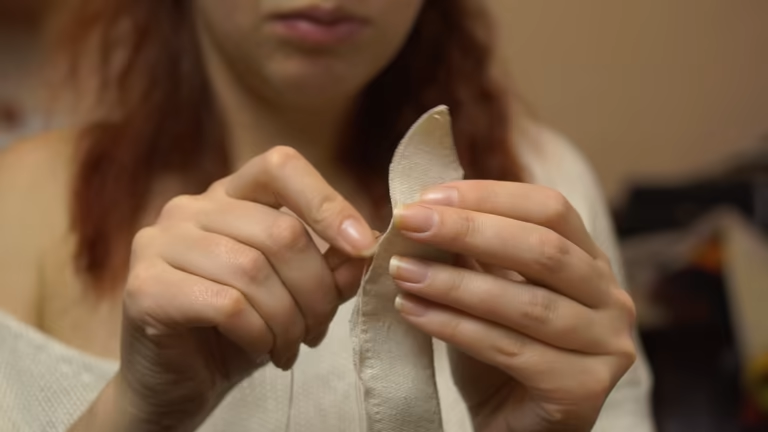
In the world of sewing and textiles, Nahttypen (types of seams) play a fundamental role in determining the strength, appearance, and durability of garments and products. Whether you are a professional tailor, a fashion designer, or a sewing enthusiast, understanding the various Nahttypen can dramatically improve your work’s quality and finish. This comprehensive guide explores different seam types, their functions, and practical applications across industries.
What Are Nahttypen?
The term Nahttypen is a German word that translates to “types of seams” in English. Seams are the joints where two or more pieces of fabric are stitched together. The choice of seam type depends on factors such as the fabric’s texture, the desired look, and the garment’s intended use.
Different Nahttypen not only affect a piece’s aesthetics but also its strength, elasticity, and comfort. In professional sewing, choosing the right seam can make the difference between a garment that lasts and one that falls apart after a few wears.
Importance of Choosing the Right Nahttypen
Selecting the correct Nahttypen ensures:
-
Durability: Strong seams prevent fabric from fraying or tearing.
-
Appearance: Seam type influences the garment’s look — from flat, invisible finishes to decorative edges.
-
Flexibility: Certain seams allow fabrics to stretch, essential for activewear or knit materials.
-
Comfort: Properly finished seams reduce irritation, especially in close-fitting garments.
Each seam type serves a specific purpose — from simple construction to complex decorative techniques.
Common Nahttypen in Sewing
Let’s explore some of the most widely used Nahttypen, their construction, and their applications.
1. Plain Seam (Geradstichnaht)
The plain seam is the most basic and commonly used seam type. It joins two pieces of fabric right sides together and is usually pressed open afterward.
Uses:
-
Everyday garments
-
Lightweight to medium fabrics
-
Foundation for other seam types
Advantages:
-
Simple and quick to sew
-
Works with most fabrics
-
Ideal for beginners
2. French Seam (Französische Naht)
A French seam encases the raw edges within the seam, giving a clean, professional finish. It’s perfect for delicate fabrics like chiffon or silk.
Uses:
-
Sheer or lightweight fabrics
-
High-end garments
-
Dresses and blouses
Advantages:
-
No visible raw edges
-
Prevents fraying
-
Adds strength and elegance
3. Flat-Felled Seam (Kappnaht)
This Nahttypen is known for its strength and durability. The flat-felled seam is created by folding and stitching the fabric edges together twice, making it ideal for heavy-duty clothing.
Uses:
-
Jeans and denim wear
-
Workwear
-
Outdoor gear
Advantages:
-
Extremely strong
-
Clean inside and outside finish
-
Resistant to wear and washing
4. Overlock Seam (Overlocknaht)
An overlock seam uses a special overlock machine to trim fabric edges while simultaneously enclosing them with thread.
Uses:
-
Stretchable fabrics
-
Knitwear and sportswear
-
Fabric finishing
Advantages:
-
Professional look
-
Prevents fraying
-
Adds elasticity to seams
5. Lapped Seam (Überdeckte Naht)
This Nahttypen involves overlapping two pieces of fabric and stitching them together on the right side. It’s often used in leatherwork, upholstery, and decorative projects.
Uses:
-
Leather goods
-
Decorative stitching
-
Upholstery
Advantages:
-
Stylish and decorative
-
Strong and durable
-
Adds design value
6. Bound Seam (Eingefasste Naht)
In a bound seam, raw fabric edges are enclosed with a separate binding strip. It adds a neat, decorative touch and is often found in unlined garments.
Uses:
-
Jackets and coats
-
Unlined garments
-
Decorative finishes
Advantages:
-
Neat inside appearance
-
Enhances design aesthetics
-
Reinforces fabric edges
7. Zigzag Seam (Zickzacknaht)
A zigzag seam is used primarily to prevent fabric from fraying and to add flexibility to seams. It’s also suitable for stretch fabrics.
Uses:
-
Knits and elastic fabrics
-
Hemming
-
Repairs
Advantages:
-
Stretchable and durable
-
Prevents unraveling
-
Easy to sew
Factors Influencing the Choice of Nahttypen
Selecting the right Nahttypen depends on several factors:
-
Fabric Type: Thicker fabrics require stronger seams like flat-felled or lapped seams, while lighter fabrics benefit from French seams.
-
Purpose of the Garment: Sportswear, fashion apparel, and upholstery each demand different seam strengths.
-
Aesthetic Preference: Some seam types, like bound or lapped seams, add decorative appeal.
-
Machine Type: Certain seams require specialized machines like overlock or coverstitch machines.
Understanding these factors ensures professional-quality results in every sewing project.
Nahttypen in Industrial vs. Home Sewing
While home sewers often use straight, French, and overlock seams, the industrial world employs specialized Nahttypen for efficiency and consistency. For example:
-
Industrial Flat-Felled Seams are reinforced for mass production of jeans.
-
Chain Stitch Seams are common in high-speed production for flexibility and speed.
-
Welded Seams (used in technical textiles) bond fabric using heat or adhesives instead of thread.
This diversity in seam technology ensures high-quality output across different industries.
Modern Innovations in Nahttypen
Recent advancements in textile manufacturing have introduced innovative Nahttypen such as:
-
Laser-Sealed Seams: Used in waterproof outdoor clothing.
-
Bonded Seams: Offer smooth, lightweight finishes ideal for sportswear.
-
Ultrasonic Seams: Created without thread for medical and technical textiles.
These modern techniques demonstrate how Nahttypen evolve with fabric technology and design trends.
Tips for Perfecting Your Nahttypen
-
Always test on scrap fabric first.
-
Choose high-quality thread that matches your fabric strength.
-
Use appropriate needle types for delicate or heavy materials.
-
Press seams after sewing for a professional finish.
-
Maintain your sewing machine to ensure clean, even stitches.
Mastering different Nahttypen is a skill that combines technical knowledge with creative precision.
Conclusion
Understanding and applying the right Nahttypen is essential for achieving both beauty and durability in sewing projects. Each seam type offers unique benefits, from the simplicity of the plain seam to the durability of the flat-felled seam and the elegance of the French seam.
Whether you sew as a hobby or professionally, mastering these seam types allows you to elevate your craftsmanship and produce garments that stand the test of time. The art of sewing truly lies in the details — and Nahttypen form the foundation of that artistry.
FAQs About Nahttypen
1. What does Nahttypen mean?
Nahttypen is a German term meaning “types of seams.” It refers to the different methods of joining fabrics using stitches.
2. Which Nahttypen is best for beginners?
The plain seam (Geradstichnaht) is ideal for beginners because it’s simple, quick, and suitable for most fabrics.
3. What Nahttypen are used for jeans?
Flat-felled seams (Kappnaht) are commonly used in jeans due to their strength and durability.
4. Can Nahttypen affect comfort?
Yes, poorly chosen seams can cause irritation, while properly finished seams like French or bound seams enhance comfort.
5. What is the strongest seam type?
Flat-felled and overlock seams are among the strongest, offering durability and resistance to wear and washing.
