
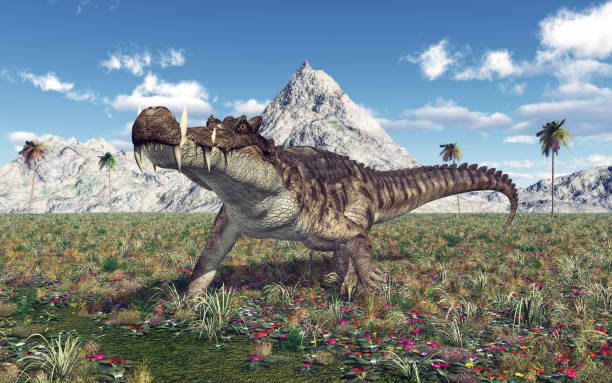
Dinosaurs have always captured human imagination, and among the vast diversity of prehistoric creatures, Hastovenator stands out as a unique and intriguing species. This remarkable dinosaur has garnered attention from paleontologists due to its unusual anatomy, hunting strategies, and evolutionary significance. In this article, we will explore everything you need to know about Hastovenator, from its discovery to its place in the prehistoric ecosystem.
Introduction to Hastovenator
The term Hastovenator may be unfamiliar to many, but it represents a pivotal piece in understanding dinosaur evolution. Named for its spear-like claws and predatory lifestyle, Hastovenator belongs to the theropod group, which includes some of the most well-known carnivorous dinosaurs such as Velociraptor and Allosaurus. Its unique features offer a glimpse into the adaptability and diversity of predatory dinosaurs during the Mesozoic era.
Paleontologists have been fascinated by Hastovenator because its fossil record provides clues about evolutionary transitions between larger theropods and smaller, more agile predators. The species is particularly notable for its sharp claws, keen eyesight, and streamlined body built for efficient hunting.
Discovery and Fossil Evidence
The first fossils attributed to Hastovenator were discovered in the mid-21st century in sedimentary rock formations known for preserving Mesozoic-era remains. Excavations revealed partial skeletons, including jaw fragments, vertebrae, and distinctive forelimb bones.
These findings helped scientists reconstruct the dinosaur’s anatomy and hypothesize its behavior. Interestingly, Hastovenator’s fossils show a combination of primitive and advanced traits, suggesting that it might represent an evolutionary link between early theropods and more specialized carnivores.
Physical Characteristics of Hastovenator
Understanding Hastovenator begins with its anatomy:
-
Size and Build: Hastovenator was a medium-sized theropod, approximately 4–5 meters in length. Its lean body allowed for agility and speed during hunting.
-
Claws and Limbs: The species had long, curved claws resembling spears, giving it the ability to grasp and immobilize prey effectively.
-
Skull and Teeth: Its skull was elongated with sharp, serrated teeth optimized for slicing through flesh. This carnivorous dentition indicates a highly specialized predatory diet.
-
Tail and Posture: The dinosaur’s tail was long and stiff, aiding in balance and agility during rapid pursuits or combat.
These features highlight Hastovenator as a highly effective predator adapted to its environment.
Habitat and Environment
Hastovenator roamed regions that were rich in vegetation and other animal life during the Late Cretaceous period. Fossil evidence suggests it inhabited floodplains and forested areas, allowing it to stalk prey with precision.
This environment provided ample hunting opportunities, ranging from small herbivorous dinosaurs to juvenile larger species. Hastovenator’s physical adaptations, including its speed and dexterity, would have given it a significant advantage in such ecosystems.
Hunting and Diet
As a carnivore, Hastovenator relied on stealth, speed, and powerful claws to hunt. Its diet likely included small to medium-sized dinosaurs, reptiles, and possibly early mammals. Paleontologists believe it employed ambush tactics, using its keen senses to detect movement and strike with precision.
Fossilized evidence of tooth marks on prey bones further confirms its carnivorous diet. Hastovenator’s hunting strategies highlight an evolutionary trend toward more agile and intelligent predators during the Cretaceous period.
Evolutionary Significance
One of the most fascinating aspects of Hastovenator is its evolutionary significance. It bridges a gap between earlier, more primitive theropods and later, highly specialized predators. Its combination of anatomical features suggests that it may have been a transitional species, offering insights into the development of predatory adaptations like grasping claws and improved sensory capabilities.
Studying Hastovenator helps paleontologists understand how environmental pressures and prey availability shaped the evolution of theropods, providing a broader context for the rise of dinosaurs leading up to the end of the Cretaceous period.
Comparisons with Other Theropods
While Hastovenator shares similarities with well-known theropods like Velociraptor and Allosaurus, it possesses unique traits that set it apart:
-
Velociraptor: Both species had sharp claws, but Hastovenator’s were longer and more spear-like.
-
Allosaurus: Hastovenator was smaller but more agile, suited for precise hunting rather than brute strength.
-
Coelophysis: Unlike this early theropod, Hastovenator had more advanced sensory adaptations and stronger forelimbs.
These comparisons help paleontologists categorize Hastovenator and understand its niche within prehistoric ecosystems.
Importance in Paleontological Research
Hastovenator is more than just another dinosaur species; it represents a valuable piece of the puzzle in understanding dinosaur evolution. Its fossils provide crucial evidence about predatory strategies, locomotion, and the morphological diversity of theropods.
Research on Hastovenator also contributes to broader studies on Mesozoic ecosystems, predator-prey dynamics, and the evolutionary pressures that shaped dinosaur adaptations over millions of years.
Conclusion
In conclusion, Hastovenator is a remarkable dinosaur that continues to captivate scientists and enthusiasts alike. Its unique physical features, evolutionary significance, and hunting strategies make it an essential species for understanding the complexity of theropod evolution. As research continues, Hastovenator promises to shed further light on the fascinating world of prehistoric predators, offering a glimpse into a time when dinosaurs dominated Earth’s landscapes.
Studying Hastovenator is not just about exploring the past—it’s about uncovering the intricate evolutionary pathways that shaped life on our planet millions of years ago.
Frequently Asked Questions (FAQs)
1. What does the name Hastovenator mean?
The name Hastovenator roughly translates to “spear hunter,” reflecting its distinctive claw shape and predatory habits.
2. When did Hastovenator live?
Hastovenator lived during the Late Cretaceous period, approximately 90–80 million years ago.
3. How big was Hastovenator?
It was a medium-sized theropod, reaching lengths of 4–5 meters and weighing several hundred kilograms.
4. What did Hastovenator eat?
Hastovenator was a carnivore, feeding on small to medium-sized dinosaurs, reptiles, and potentially early mammals.
5. Why is Hastovenator important for paleontology?
Hastovenator provides insights into theropod evolution, predator adaptations, and the dynamics of prehistoric ecosystems, making it a key species for research.
