
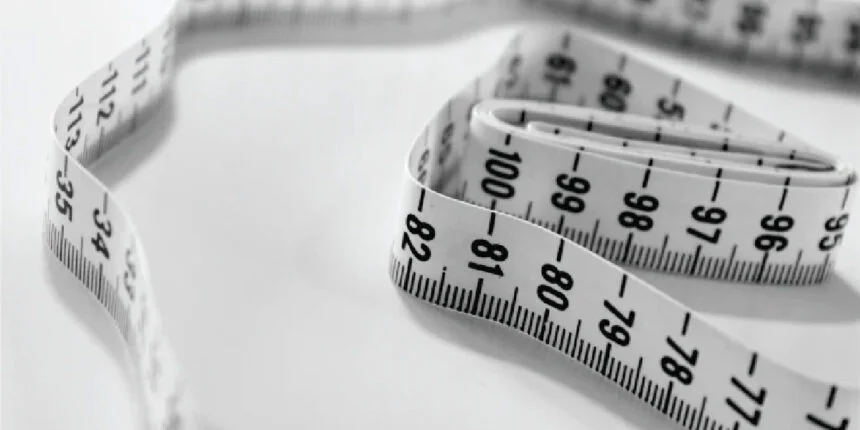
Introduction: What is Kalibraatio and Why Does It Matter?
Kalibraatio, known as calibration in English, is the process of adjusting and verifying instruments to ensure they provide accurate and reliable measurements. While it may seem like a technical term limited to scientists and engineers, kalibraatio plays a pivotal role in a wide range of industries. From healthcare to manufacturing, and even environmental monitoring, the accuracy of measurements is crucial for the success and safety of operations.
A small measurement error, due to poorly calibrated equipment, can lead to significant issues, whether it’s a faulty diagnosis, a product defect, or even safety hazards. As industries push toward more advanced technologies, the need for precise measurements and accurate instruments has become more important than ever. Kalibraatio is, therefore, essential for maintaining operational efficiency, safety, and trust with stakeholders.
Understanding Kalibraatio (Calibration) in Simple Terms
In simple terms, kalibraatio refers to the adjustment of instruments to ensure they give correct and consistent readings. This process involves comparing the device’s measurements to a standard or known value to identify discrepancies and make necessary corrections. The goal is to ensure that the readings provided by an instrument reflect the true value, with minimal deviation.
For example, if a thermometer in a healthcare setting is miscalibrated, it could provide inaccurate temperature readings, leading to misdiagnosis or incorrect treatment. The same applies to industrial machines—miscalibrated machinery could produce faulty products that fail quality control checks.
Kalibraatio helps to align equipment with a known standard, ensuring that the instruments in use produce accurate results, which is vital for making data-driven decisions.
Why Kalibraatio is Vital in Healthcare
In healthcare, precision is paramount. Even a tiny miscalculation can lead to dire consequences. Kalibraatio plays a crucial role in maintaining the accuracy of medical instruments that healthcare professionals rely on daily. Instruments like blood pressure monitors, thermometers, and infusion pumps are all calibrated to ensure accurate readings.
For instance, if a blood pressure monitor is not calibrated correctly, it might show normal readings when a patient is actually hypertensive, or vice versa. Such discrepancies can delay diagnosis and lead to ineffective treatments, putting patients at risk.
Regular calibration of medical devices ensures that healthcare professionals can trust their instruments, leading to better patient outcomes, improved diagnoses, and adherence to regulatory standards in the medical industry.
Kalibraatio’s Role in the Manufacturing Industry
Manufacturing is another industry where kalibraatio is indispensable. The goal of calibration in manufacturing is to ensure that machinery and tools operate at peak efficiency, producing products that meet quality standards. Inaccurately calibrated machinery can result in defective products, increased waste, and inefficient production cycles.
A prime example is the calibration of industrial robots used on production lines. If a robot arm is miscalibrated, it could place components incorrectly, resulting in faulty assemblies. Calibration is essential for ensuring that each part is placed with precision, minimizing errors, and reducing the need for rework.
Additionally, proper kalibraatio can reduce operational costs. By ensuring that equipment is calibrated correctly, manufacturers can avoid unnecessary downtime and prevent costly repairs caused by equipment malfunction due to calibration errors.
Kalibraatio in the Food Industry: Ensuring Compliance and Safety
In the food industry, precise measurement and calibration are vital for ensuring product safety and compliance with regulations. Instruments used for temperature control, weight measurement, and product testing must be calibrated regularly to ensure they meet safety and quality standards.
For example, in food storage, a miscalibrated thermometer might not detect when a refrigeration unit has malfunctioned, leading to spoiled food and potential foodborne illnesses. Accurate temperature measurement is crucial in cooking, storage, and transportation processes to prevent contamination.
By performing regularcalibrationo on food-related instruments, businesses can ensure that they comply with food safety regulations and guarantee the quality of their products, safeguarding consumer health.
The Role of Kalibraatio in Environmental Monitoring
Environmental monitoring is another sector where kalibraatio is crucial. Accurate data is needed to assess environmental conditions, such as air quality, water pH levels, and radiation. Miscalibrated instruments can lead to incorrect readings, which could undermine pollution control efforts or compromise public health.
For example, air quality monitoring stations that aren’t calibrated regularly might fail to detect harmful levels of pollutants, leading to delayed responses to pollution events. Accurate measurements are vital for governments and organizations to take timely action to protect the environment and public health.
Through proper calibration, environmental agencies can trust their instruments to provide reliable data, which in turn helps them make informed decisions for pollution control and health risk management.
Key Benefits of Proper Kalibraatio
The benefits of proper kalibraatio extend across various industries, ensuring that equipment delivers accurate and reliable results. Some of the key benefits include:
1. Enhanced Precision and Accuracy
Kalibraatio ensures that instruments provide accurate and consistent readings, which is critical in industries like healthcare and manufacturing. Properly calibrated equipment reduces the chances of errors and inaccuracies, leading to better outcomes.
2. Operational Efficiency
Well-calibrated instruments are more efficient, reducing the chances of faulty measurements that lead to production delays or mistakes. This helps businesses save time, cut costs, and enhance productivity.
3. Safety Assurance
Faulty equipment, due to poor calibration, can pose significant risks, especially in industries like healthcare and manufacturing. By maintaining accurate measurements, businesses ensure the safety of both their employees and customers.
4. Regulatory Compliance
In many industries, regulatory bodies require regular calibration of equipment to ensure compliance with safety and quality standards. Proper calibration helps businesses avoid penalties and maintain their operational legitimacy.
5. Extended Equipment Lifespan
Regular calibration can help identify wear and tear on equipment before it leads to failures. This proactive maintenance extends the lifespan of machinery and instruments, reducing repair costs and downtime.
6. Customer Satisfaction and Trust
Customers and clients rely on the accuracy and consistency of products and services. By maintaining high standards of calibration, businesses can build trust and improve their reputation within their industry.
Common Kalibraatio Methods and Techniques
There are several methods used to calibrate equipment, each suited to different industries and types of instruments. Some of the most commonly used methods include:
1. Reference Standard Calibration
In this method, instruments are compared to a known standard with highly accurate measurements. If discrepancies are found, adjustments are made to align the instrument with the reference standard.
2. Comparison Calibration
In this approach, an instrument is compared to another known accurate device. Differences are measured, and adjustments are made to the instrument being calibrated to reduce any inaccuracies.
3. Field Calibration
Field calibration is conducted on-site, ensuring that equipment is calibrated without needing to be sent to a lab. This method is common in industries like environmental monitoring, where instruments are deployed in remote locations.
4. Automated Calibration
With advancements in technology, automated calibration using software tools has become more popular. This method involves using algorithms to adjust instruments based on real-time data inputs.
Selecting a Reliable Kalibraatio Service Provider
When looking for a service provider to handle kalibraatio, it is essential to choose a reputable company that meets industry standards. Consider the following factors:
1. Certifications and Accreditations
Ensure the provider holds relevant certifications, such as ISO/IEC 17025, which demonstrate their adherence to international calibration standards.
2. Experience and Expertise
Choose a provider with experience in your industry. Calibration needs vary, and having a provider familiar with your specific requirements is crucial for optimal results.
3. Customer Feedback
Check reviews and testimonials to ensure the provider is reliable and professional. A strong reputation is an indicator of a service provider’s quality.
4. Turnaround Times
Look for providers who offer fast turnaround times to minimize downtime and avoid operational disruptions.
Conclusion: The Essential Role of Kalibraatio in Business Success
Kalibraatio is not just a technical necessity—it’s a key factor in ensuring the accuracy, efficiency, and safety of operations across various industries. From healthcare to manufacturing and environmental monitoring, accurate measurements are crucial for success and compliance.
By maintaining regular calibration practices, businesses can enhance product quality, increase operational efficiency, and ensure safety standards are met. Kalibraatio fosters trust with clients and stakeholders, building a reputation for reliability and precision.
Investing in proper calibration techniques today is an investment in the future of your business, setting the foundation for continued success and innovation.
